Bowling Green Maintenance: 11c. Mowing - Edge strip 
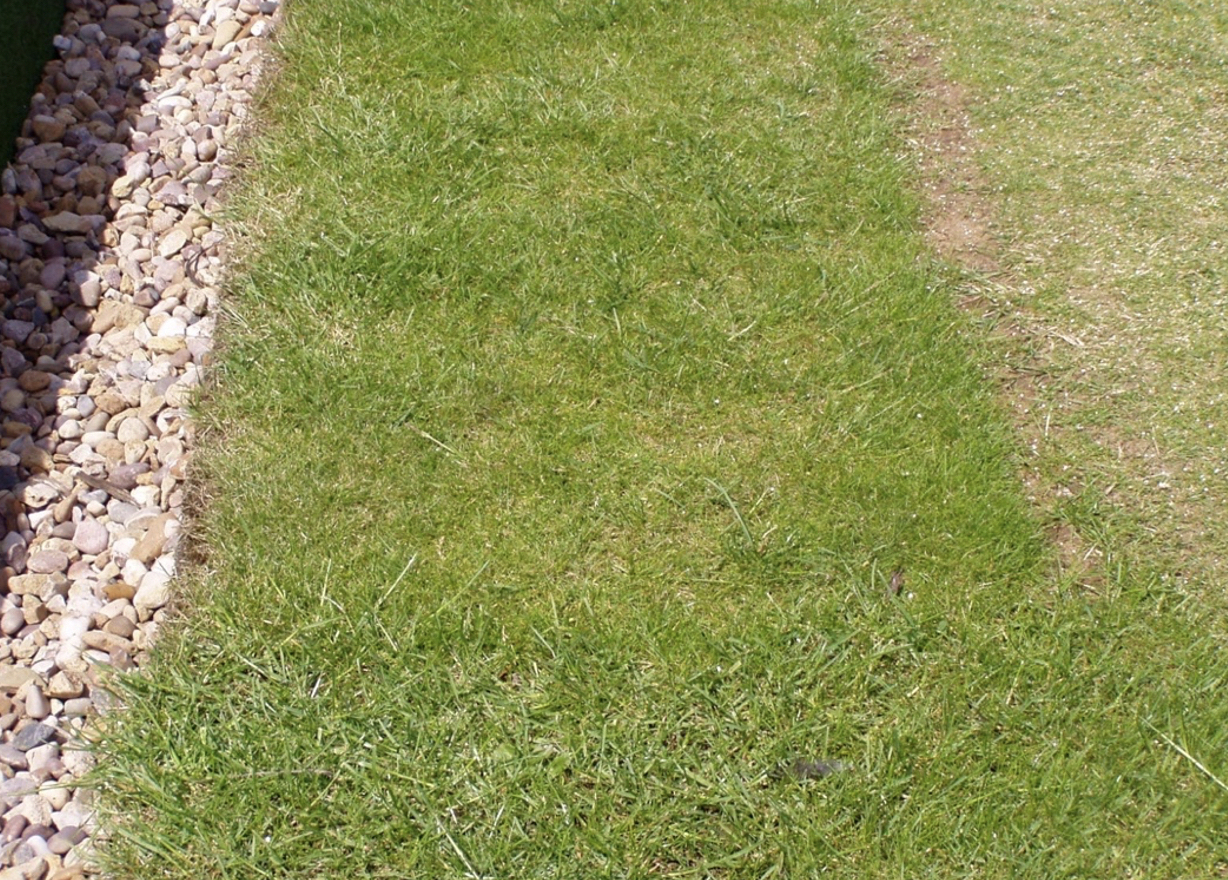
Occasionally some clubs will leave a mowing strip around the edge of the green, which is cut higher than the rest of the green.
This can be beneficial at certain times of the year where the edges dry out rapidly or where the edge of the green suffers from poor stability and reduced root penetration.
Part of the reason often stated for doing this is also that it helps reduce wear. However, if this is to be undertaken then it needs to be done with caution. In particular, the period of time the extra length of grass is allowed for and more importantly the frequency of mowing, which should be as the same as the rest of the green, as well as the actual cut height, which will typically be 8mm (5/16th of an inch).
If the grass is to be cut so that no more than 1/3rd of leaf is removed his will mean that the maximum growth height permitted will be 12mm. Abiding by this in practice is seldom achieved. What will typically happen is that the mowing frequency will suffer as the edge will ‘look alright’ and be left until next time.
The sward will gradually start to thin more than the main body of the green and also more lateral, rather than upright, growth will develop; annual meadow grass and perennial ryegrass (where present) will produce flowering stalks which will further thin the sward, and this will also lead to increased wear, so in effective there is no difference from that on the main body of the green.