Module 2:

Pitch quality

2.2 Examples of Performance Standards

2.2.1 Pitch assessment equipment

Before you can assess a pitch for the different features, you do need to know how the different features can be measured and what the values from the measurements mean.

Only a few basic items of equipment are needed: Quadrat; Corer (or Spade), Ruler, Straight edge. You will also need something on which to record your findings, usually a notepad, tablet or mobile phone.
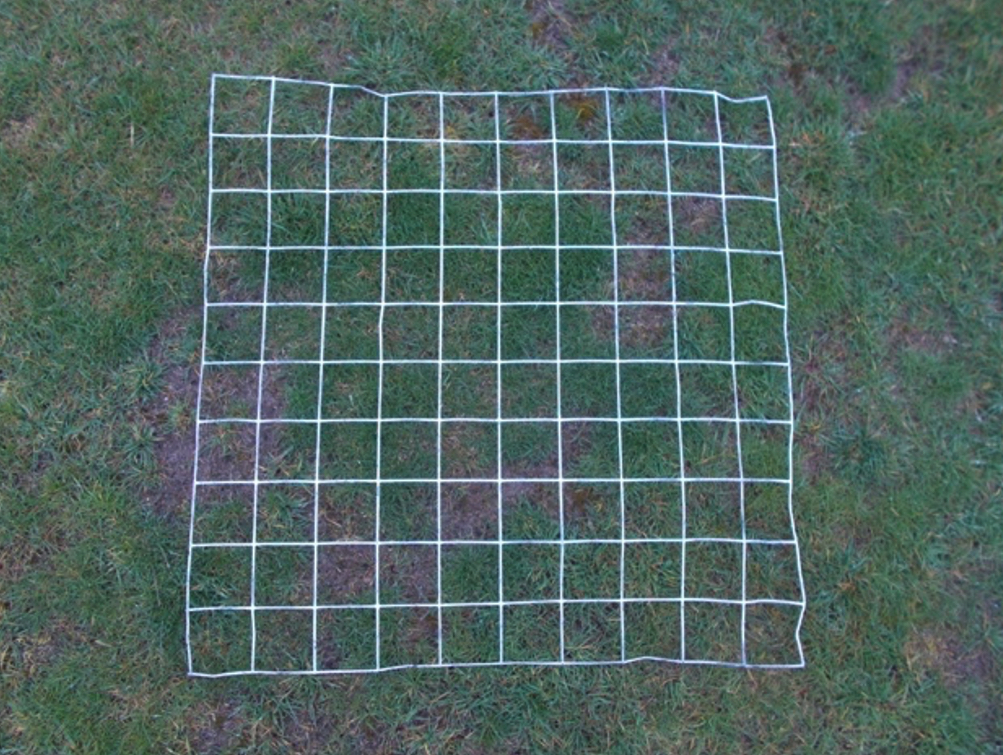
Picture of a quadrat

Quadrat

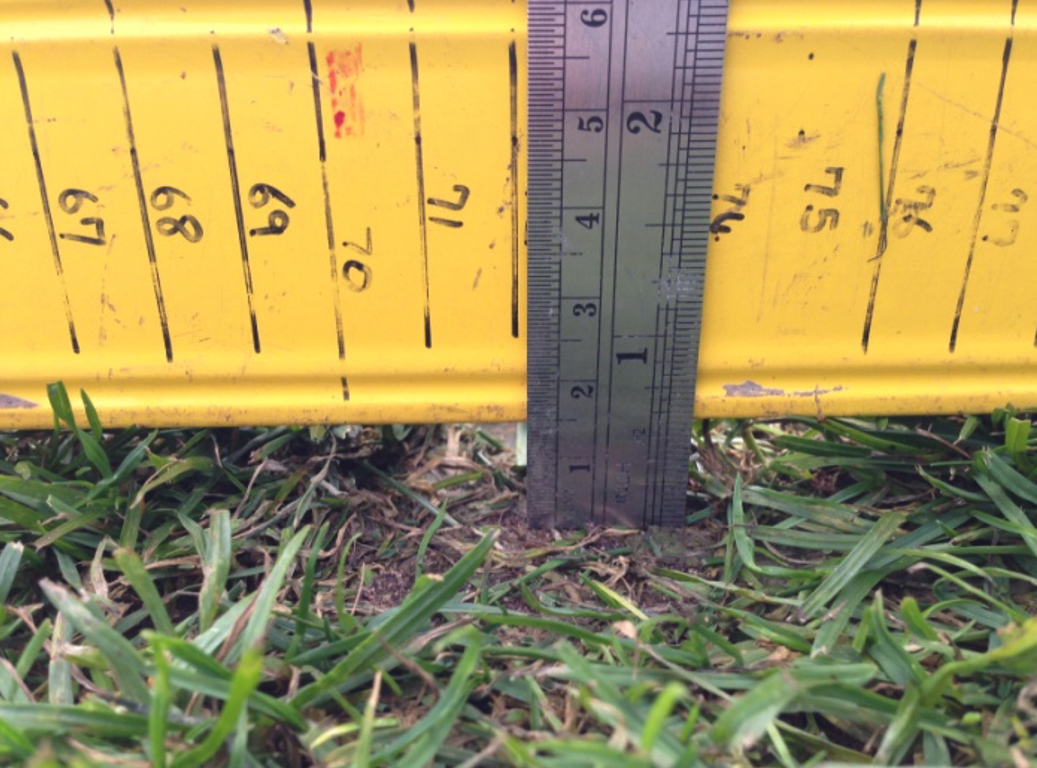
Picture of a straight edge, with ruler

Straight edge

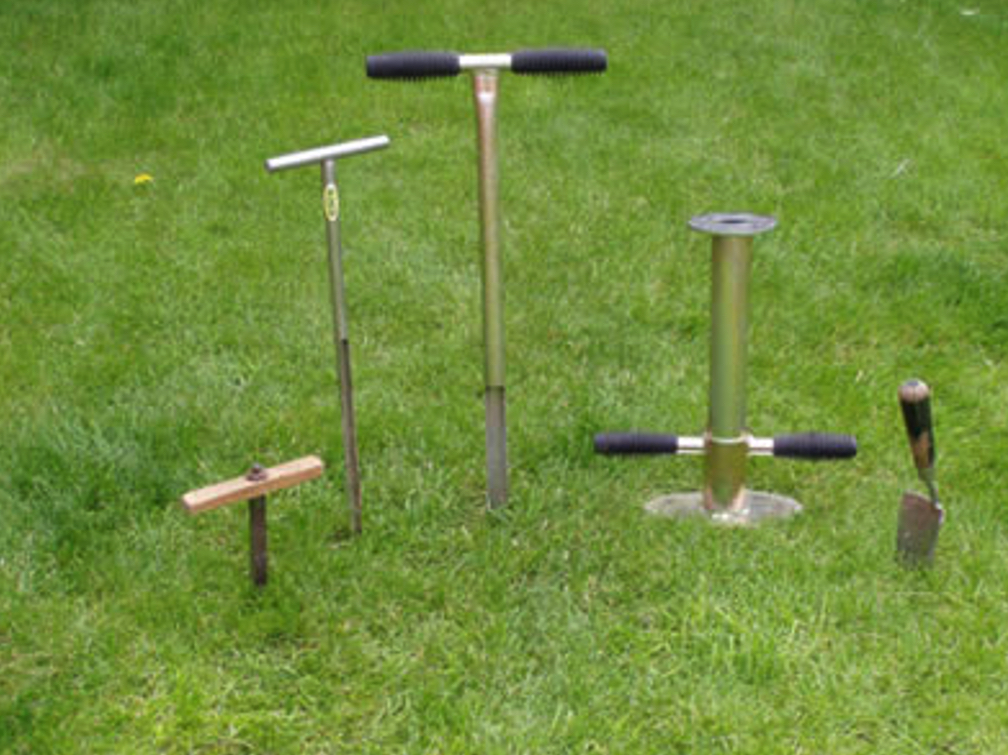
Picture of a selection of corers

Corers

Visual observation

As you can see this isn’t an item of equipment for test purposes, but you will need to make a visual observation of the entire pitch for several of the assessments.

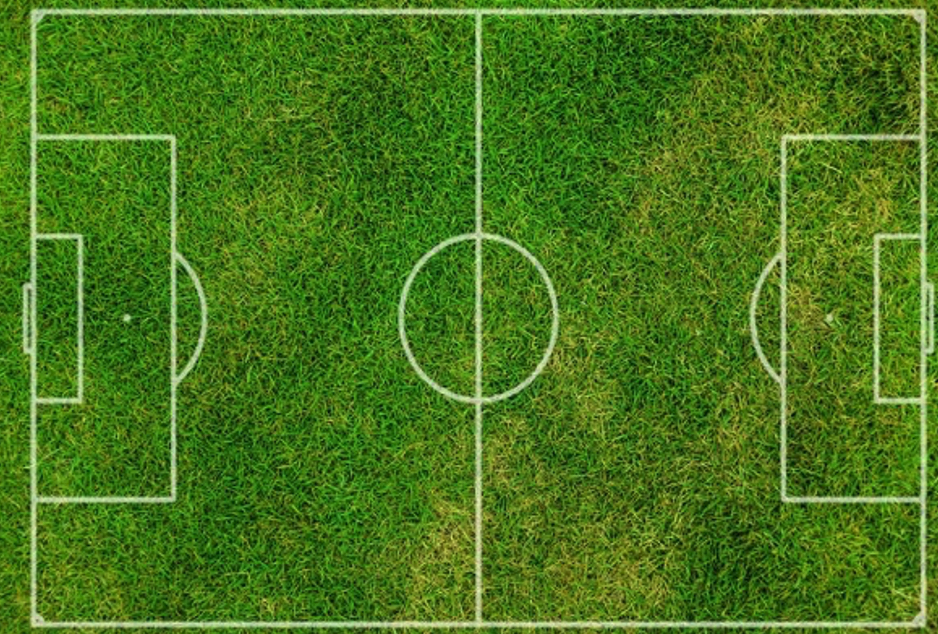
Visual observation of a pitch

For each of the performance standards we have identified the basic tool that can be used for testing purposes. A minimum number of readings, typically 3, should be done in each test location for most performance standards. Four of the standards use visual observations and for these an assessor will typically be making notes on each part or sub-division of the pitch to arrive at a representative overall figure.

As a guide we have also provided a typical value, or range of values, that might be anticipated from what can be termed a Grade 2 pitch, as well as the value at which the pitch would be graded higher (i.e. a Grade 3,4 or 5) or lower (a grade 1, or ungraded). We haven’t included any specific values for each of the different grades at the moment because we are only looking at what is needed to carry out a basic test and measurement, and we also haven’t yet explained what is meant by pitch Grade.

A Grade 2 pitch can be considered a satisfactory standard of pitch for many grassroot club games.

Module progress: 6%