Module 2:

Pitch quality

2.2 Examples of Performance Standards

2.2.11 Surface debris

For a match there shouldn’t be any surface debris, although outside of a match and depending on the location of a pitch, a small amount of surface debris might be acceptable for limited periods of time.

A good example might be a pitch located in a local authority park that also has a lot of trees present surrounding the pitch.

During the autumn time the number of leaves that blow onto the pitch might be considerable. It would be unrealistic, and very costly, to state that no leaves should be present at all times.

However, in between matches it might be acceptable to say that leaf coverage might be a certain amount on a particular area of a pitch for up to a defined number of days so as to prevent leaves from smothering the grass over time.
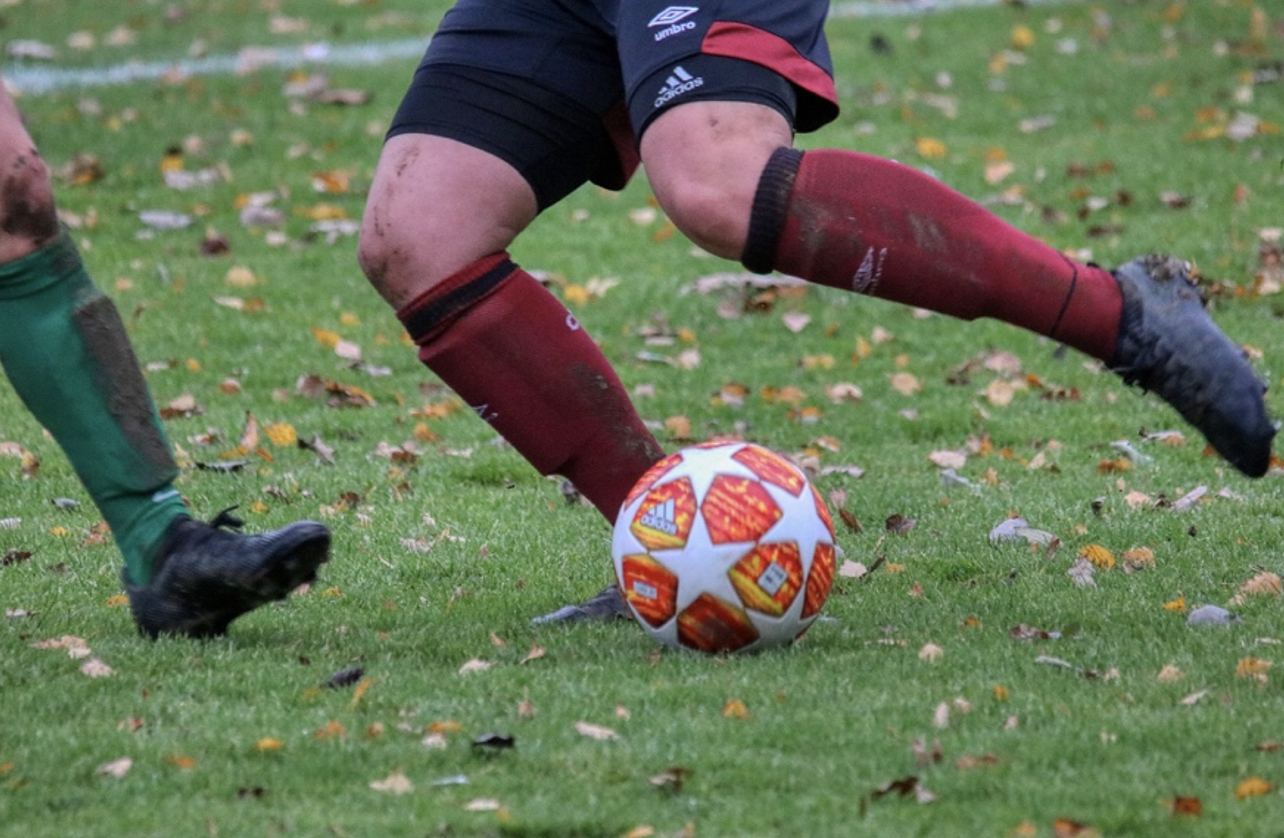
Picture of leaves on a pitch

Surface debris

  Consider the following question:

1. Is there any debris currently on the surface of your pitch?

YES   or   No ?

If the answer to this question is ‘Yes’, then answer the following two questions:

a) What type of debris is it? [Indicate all that apply]

  • Clumps of grass cuttings?
  • Leaves from trees or shrubs?
  • Twigs?
  • Branches or fallen trees?
  • Paper / sweet wrappers, or similar?
  • Bottle / cans, or similar?
  • Stones or bricks?
  • Other material?

b) Which one of the following statements best describes the extent of the surface debris?

  • Very little / hardly noticeable.
  • A small amount, but it could be easily cleared up.
  • Quite a lot.
  • Over a majority of the pitch surface.

Assessing surface debris

Assessing surface debris

Walk the entire pitch to make observations and judgement.

Estimate (as a percentage) how much of the pitch has surface debris present. Distinguish between soft litter (such as tree leaves, paper, cardboard) and hard litter (such as stones, drinking cans, tree branches).

Module progress: 38%