Module 2:

Pitch quality

2.2 Examples of Performance Standards

2.2.13 Even / smooth surface

Keeping the surface as even as possible helps ball control, especially speed and roll of a ball.

In addition, a smooth even surface helps the ball to more likely end up where it is meant to without being put off course by small hollows, holes or bumps on the surface.

An even surface makes it safer for a player to run, tackle, turn and control the ball with reduced fear of spraining an ankle, or worse.
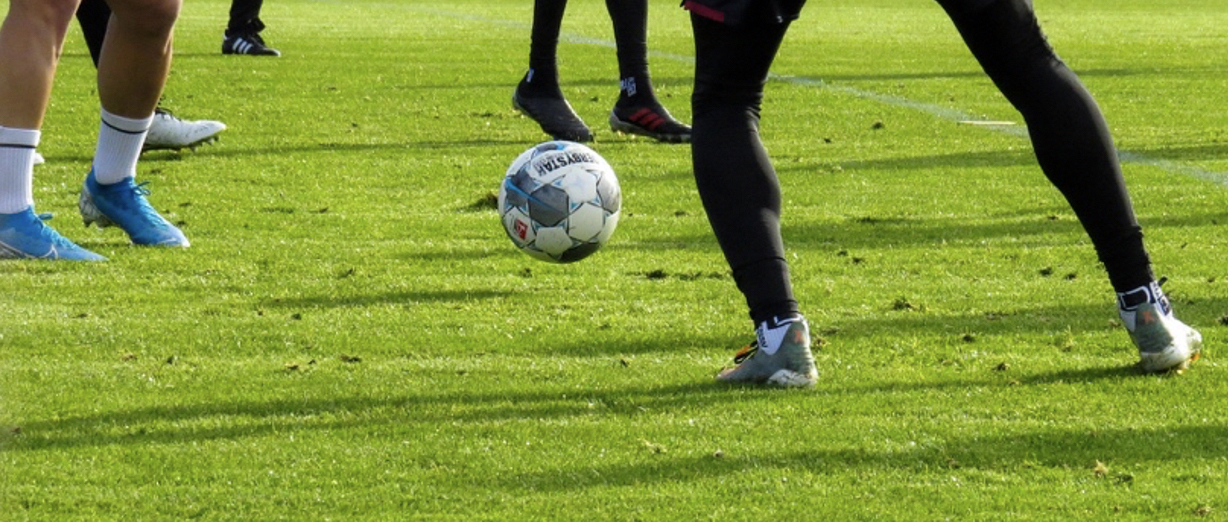
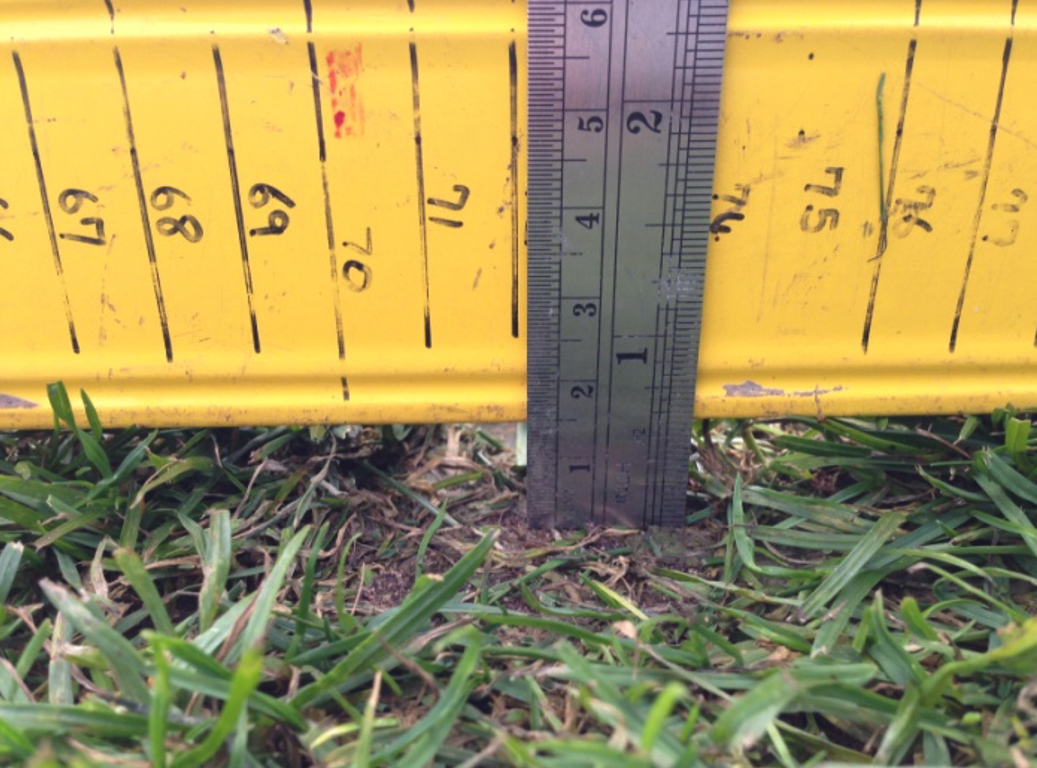
Picture of an even pitch surface

Surface evenness

  Consider the following question:

1. We are not looking at the gradient or fall of the pitch from goal line to goal line or touch line to touch line for this question, but just how bumpy is the surface of the pitch.

For your pitch, at the moment, which one of the following statements do you think would best describe it?

  • Very little / hardly noticeable.
  • Nice and even and smooth.
  • Pretty good, with just a few areas of bumpiness.
  • Quite a few areas of bumpiness, so the playing experience isn’t ideal, but it is satisfactory.
  • Pretty awful really, with it being a bit like a minor moonscape to play on.

Assessing surface evenness

Assessing surface evenness

This measures the allowable variation (either as a small depression or small hump or bump) in height from the surface.

For each location check evenness variation (as a ±mm) in 3 different positions and take the average of the figures recorded.

Module progress: 45%