Module 2:

Pitch quality

2.2 Examples of Performance Standards

2.2.9 Line marking

We all want lines that are clear, visible from a defined distance, straight and of a uniform width. In addition, the markings must all be in accordance with the laws of the game.

Checking that the lines are adequately visible mid-week can influence whether a pitch needs a full over marking or just selected overmarking for a forthcoming game. This approach might be relevant to clubs with very limited resources, primarily with Grade 1, or maybe some Grade 2, pitches.

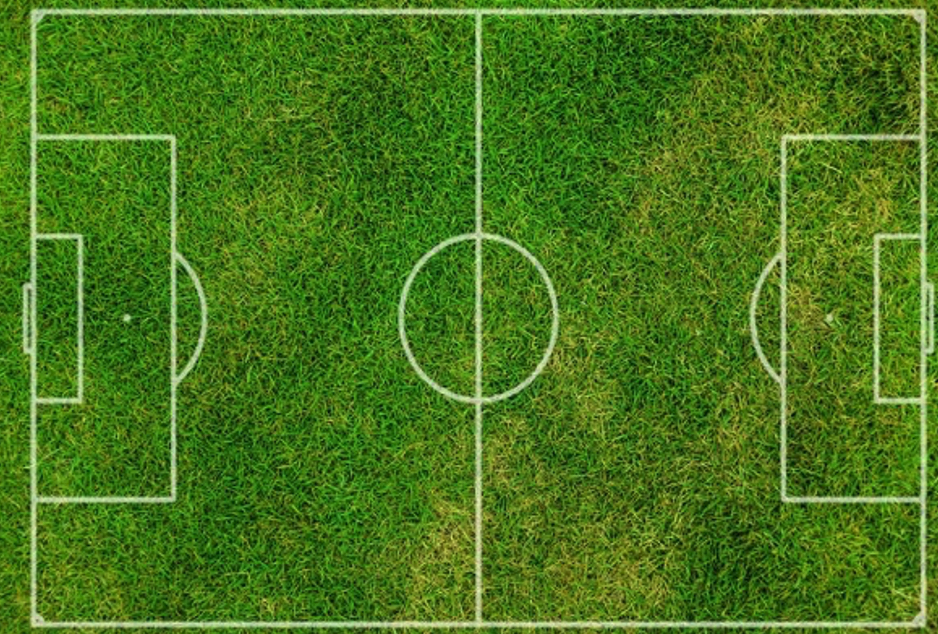
Picture of pitch lines

Lines on pitch

  Consider the following question:

1. If you went onto your pitch now and stood on a goal line, would you be able to easily see the following:

a) All of the line around the nearest penalty area?

b) The half-way line?

Assessing visibility of line marks

Assessing clarity of line marks

Different approaches might be taken depending what is required for the pitch Grade, but option A provides an accurate measurement.

A) Walk as far away from a goal line as you can before the line is no longer visible. Mark that spot and then measure back to the goal line to determine the line marking visibility.

B) Stand on goal line to see if half-way line can be easily seen (i.e. about 50m).

C) If B) is unsuccessful then stand on penalty box line to see if half-way can be seen. (i.e. typically between 30m and 35m).

You can also measure the straightness of the line by stringing down the full length of the line and determine how much the line deviates from the planned straight line. Uniformity of line marking thickness could also be measured, although in practice, once the width has been set then the paint will typically always be at that width. However, if the paint is excessively diluted or runs low then there can be a difference in line width, although this would usually be identified by checking line visibility.

Module progress: 32%