Module 6:

Turf science

6.2 Turf problems and controls

1   6.2.2 Pests

These are organisms - from large to very small - which will either use some of the grass plant as a food source, such as grubs, or will dig up pitch areas and/or smother grasses as part of its daily actions, often in the search for food, such as badgers.

Why can pests be a particular problem on football pitches?

A small amount of damage from pests isn’t really going to be a problem. However, a problem does start to arise when the extent of the damage and the frequency of it increases so that it goes from being a bit of a nuisance to actually negatively impacting on the quality and safety of a pitch.

The main three turf pests that might be encountered are chafer grubs, earthworms, and leatherjackets.
2 Earthworms

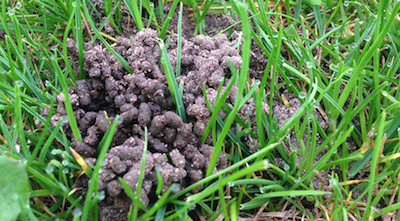
These have significant benefits such as increasing soil aeration and improving nutrient availability. However, where they are present in relatively large numbers and at certain times of the year, the surface casts can smother the grass, causing a muddy surface and reduce the quality of the surface.

Earthworm cast

3   Chafer grubs and Leatherjackets

These will nibble away at roots of grasses, gradually weakening the sward and where severe will result in grass plants dying off because their root system has been destroyed.

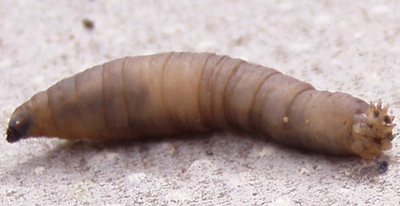
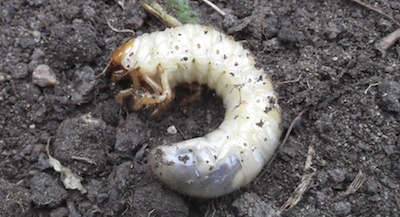
Look at the images and notice the main differences between these grubs:

The chafer grub has three pairs of legs, just below the head, along with being mostly white or creamy white in colour, whilst the leatherjacket grub is brown in colour without legs and a very small dark brown head. Small white protrusions, called lobes, are present at the rear end of the grub.

Chafer grub

Image of a chafer grub

Leatherjacket

Image of a leatherjacket grub

We'll now look at what might be termed secondary pests, although this can be quite subjective.

Module progress: 35%