Module 2:

Pitch quality

2.2 Examples of Performance Standards

2.2.3 Live ground cover

Ideally, we don’t want to play on dead vegetation or bare areas.

So, a good amount of live ground cover in most places, although in the goal mouth some thin or bare areas will be expected, especially as the playing season progresses.

Ideally the live ground cover will consist of desired grass species, but in practice this is often not the case. At the same time as recording live ground cover, the dead and bare areas would also typically be recorded.
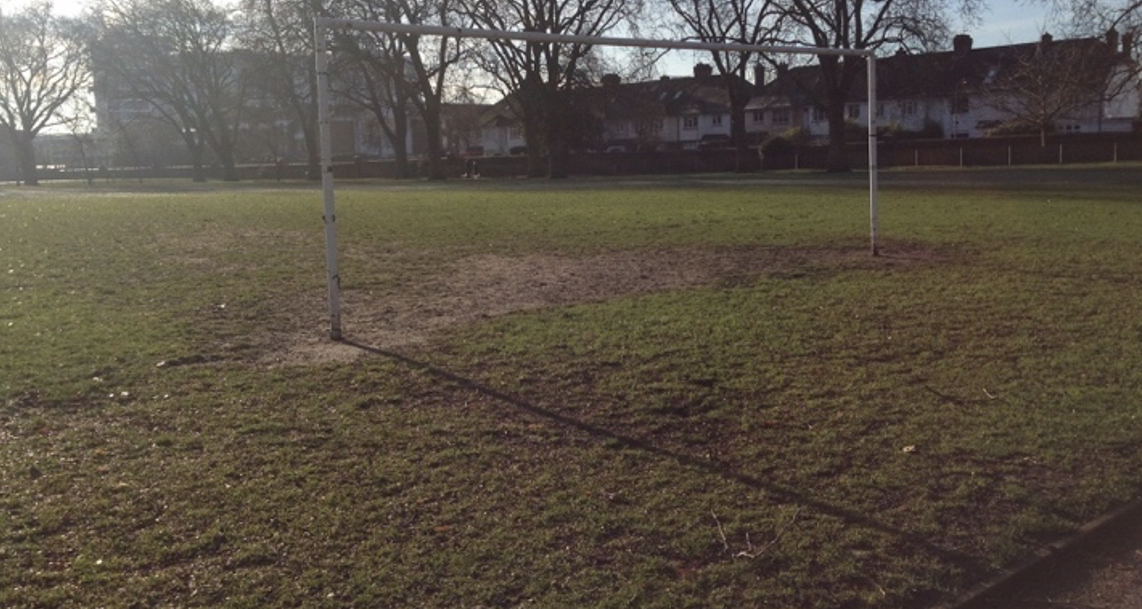
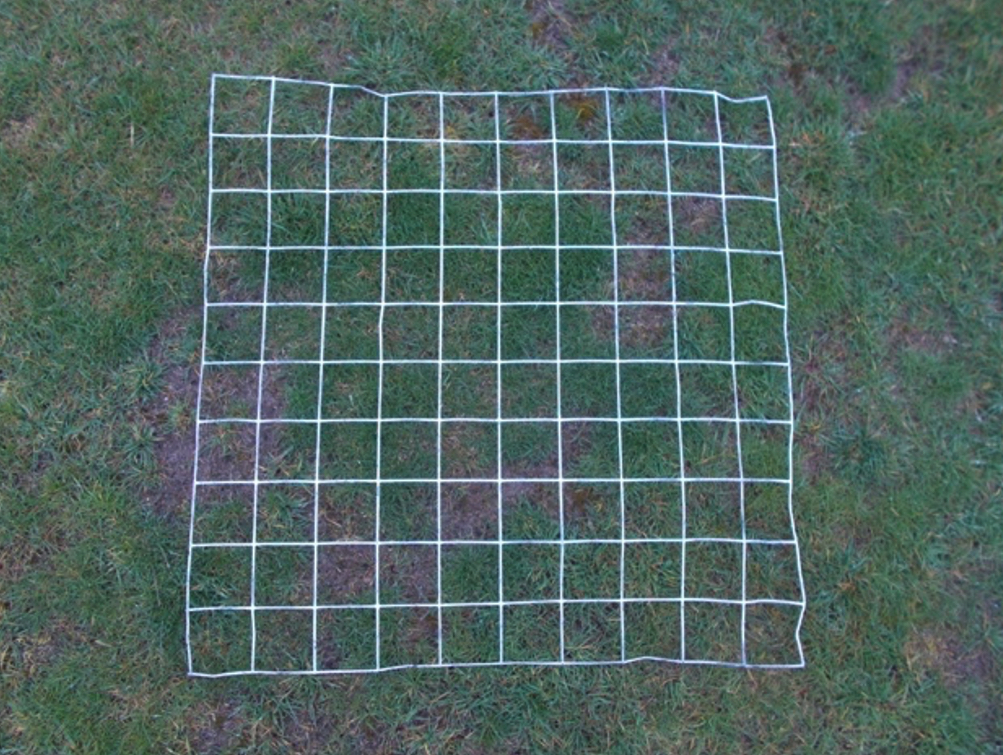
Picture of live ground cover

Live ground cover

  For the next three questions we are asking you to try and provide an estimated figure. If you can’t think of a figure for any of these questions, then why not try and describe what the pitch looks like, which would help start the process off in then trying to estimate a typical percentage figure.

1. At the start of the playing season (possibly in August) what would you estimate the typical total live ground cover (as a percentage) be for your pitch?

Try and be realistic rather than idealistic about this - we all might like 100% live ground cover, but in practice it will typically be a little under this, but hopefully not too far under.

2. What do you think a typical percentage figure for live ground cover might be at the beginning of January for your pitch?

3. Before the last game of the season, and before any renovations work has started, what do you think is a typical percentage of live ground cover remaining on your pitch?

Assessing live ground cover

Measuring live ground cover

Count the number of grids within the quadrat that have live ground cover present. Each square represents 1% of the total.

For each location throw the quadrat in 3 different positions and record each value.

Whilst you are using the quadrat for the live ground cover, it would make sense to also record the other performance standards of desirable grass species, undesirable grass species, weed content and earthworm cast coverage at the same time. These are covered in section 2.2.4 to 2.2.7.

Module progress: 13%