Module 5:

Making connections

5.3 Providing insight into activities

5.3.16 Rolling / Firming

What is used?

Mechanical roller.

Fuel for power unit (typically diesel or petrol).

Which one of the following options is the most significant reason for carrying out a light firming with a roller on a pitch?
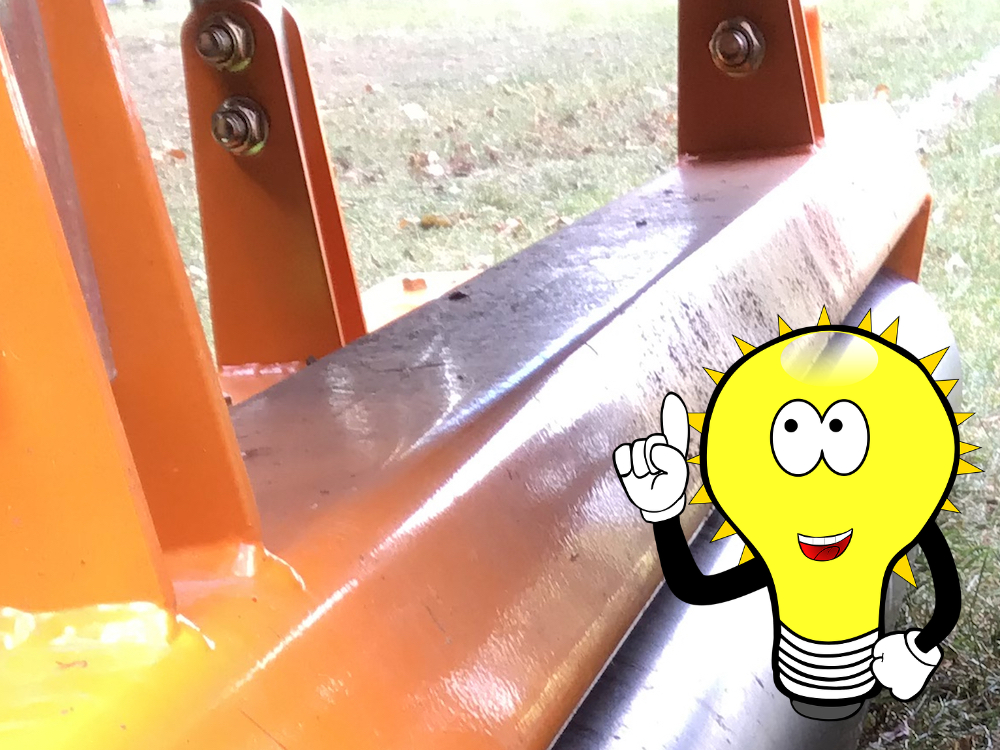
Roller

Some reasons for rolling

  1. A light rolling action to help firm a loose surface, especially where it has become worn and has a poor root binding strength. This will only provide for a temporary improvement in surface stability and also assumes there is just the right amount of soil moisture to aid soil binding.
  2. Equipment with a light rolling action helps to firm-up a new seed bed, improving seed to top-dressing / rootzone contact, which is needed to aid juvenile grass establishment.
  3. To help lightly firm a disturbed sward surface following some mechanical activities, especially aeration, so that any slight bumpiness is returned to a suitably smooth and more even surface.
  4. To maintain consistency of ball roll and speed.

Special comment regards rolling

A special turf ‘health warning’ needs to be applied to rolling. If in any doubt, then do not roll a pitch and ask for expert guidance.

The following comment provides the key reasoning for this, but this goes beyond the depth of this type of course, but we have included it because we consider it has such negatively significant impacts on looking after a football pitch.

This activity, where identified as needing to be carried out, might be better described as a light firming to prevent the significant detrimental effects that rolling can have on a turfgrass sward.

Only a light firming should typically be carried out if the pitch showed characteristics that required this activity. In addition, it would only, typically, be carried out when soil conditions are slightly moist to drier (but not excessively dry). This is below what would be termed field capacity for the soil moisture content. The reason being that optimum compaction (which is undesirable) is typically caused when mechanical activities take place when a soil is at, or near to its field capacity.

Module progress: 77%